
RBLN East 2026 recap: 5 takeaways for operators who couldn't make it
Across conversations around nation-state tradecraft, AI and intelligence, offensive and defensive asymmetry, and securing the systems that matter most, one theme came through clearly: the industry is moving faster than ever, and organizations need to turn insight into action.
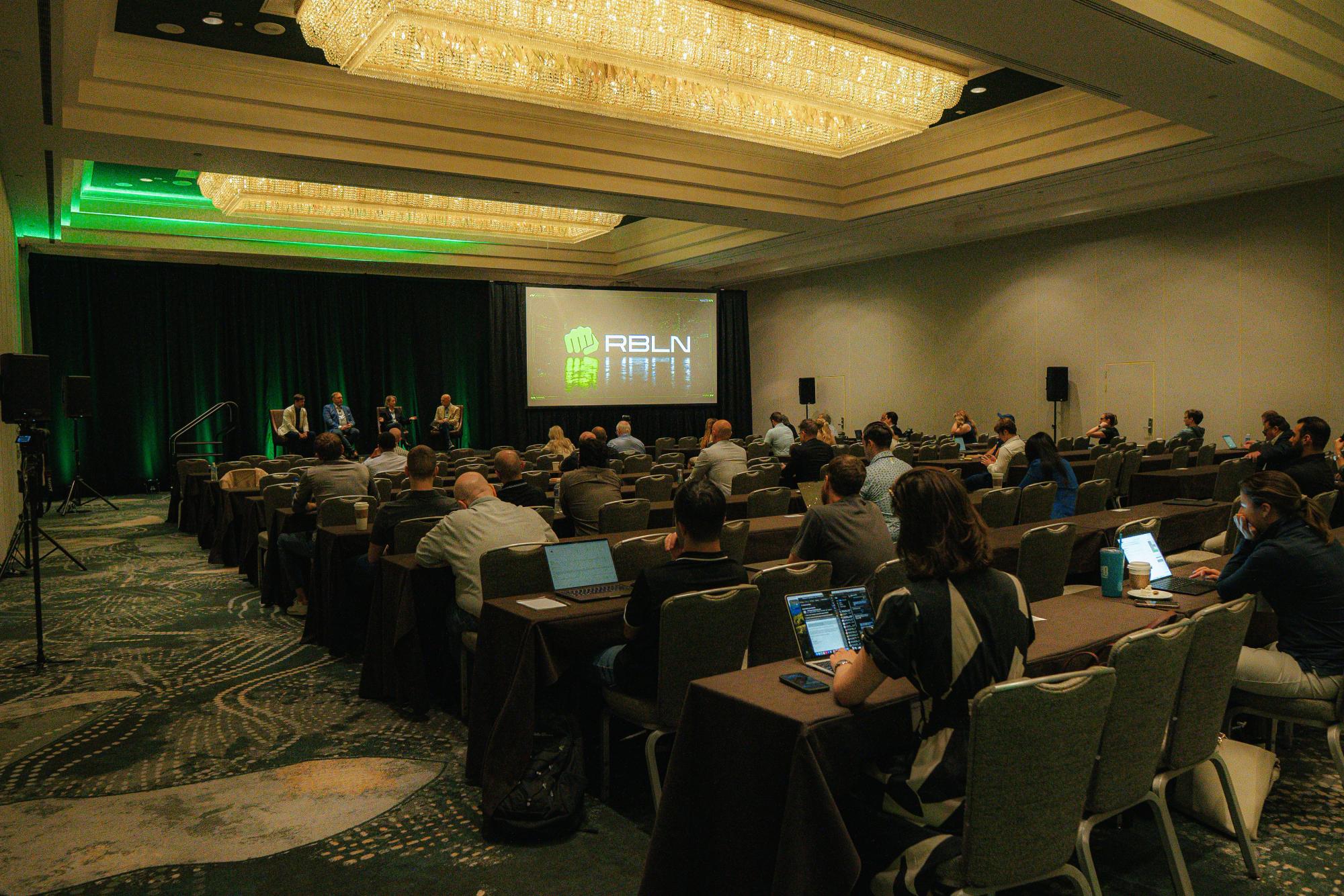
Quick answer: RBLN East brought together security operators, CISOs, technical leaders, and researchers to tackle the challenges shaping the future of cybersecurity. Across conversations around nation-state tradecraft, AI and intelligence, offensive and defensive asymmetry, and securing the systems that matter most, one theme came through clearly: the industry is moving faster than ever, and organizations need to turn insight into action.
RBLN East 2026 has wrapped. Below are five key themes from the program — written for federal practitioners, defense-tech operators, and AI/security leaders who couldn’t attend but want the substance.
Next up: RBLN Europe (September 2–4, Amsterdam) and RBLN West (November 3–5, San Francisco Bay).
Sessions referenced are real; specific quotes and incident details have been paraphrased to respect the confidentiality and operator-first nature of the conversations. This is the working recap — not the marketing version.
1. AI is moving from experimentation to execution
The conversation has shifted from “what can AI do?” to “how do we safely deploy AI at scale?” Organizations are focused on moving from prototypes into production while maintaining security, governance, and trust.
2. The human element remains a critical security advantage
Technology alone does not determine outcomes. Strong security programs depend on informed decisions, collaboration across teams, and operational readiness when pressure hits.
3. Integration is the foundation of security at scale
Organizations may have the right tools, but disconnected systems and fragmented workflows create blind spots. Stronger architectures, better visibility, and tighter operational alignment are essential for resilience.
4. The threat landscape demands continuous adaptation
Adversaries are evolving quickly, especially with AI accelerating new tactics and capabilities. Security teams must move beyond static defenses and prepare for a constantly changing environment.
5. Operators need practical conversations, not theory
The most valuable insights come from the people building, defending, and improving these systems every day. Practitioner-led discussions continue to be where real progress happens.
What's next: RBLN Europe and RBLN West
The 2026 RBLN series continues. RBLN Europe runs September 2–4 at the Hotel Okura Amsterdam — focused on EU cyber, infrastructure, and policy. RBLN West runs November 3–5 at the San Francisco Airport Marriott Waterfront — focused on AI, security, and platform engineering.
For practitioners reading this recap and recognizing your own work in the takeaways: submit a CFP for Europe or West. The work being done by RBLN East attendees is exactly the work the program committee is looking for in the next two editions.
Submit a talk for RBLN Europe or RBLN West 2026
If the work in this recap is the work you're doing: Submit your CFP →.
To attend: RBLN Europe (Amsterdam, September 2–4) or RBLN West (San Francisco Bay, November 3–5).
About the author
Foster is the Program Chair of RBLN (Rebellion). Connect on LinkedIn.
Frequently asked questions
What did RBLN East 2026 say about federal zero trust implementation? Public reporting describes federal zero trust as substantially implemented; operator conversations described identity pillar maturity, visibility and analytics pillar gaps, and data pillar work being deferred. The candid post-mortem framing was one of the most-noted sessions of the event.
Was AJ Nash's threat intelligence session worth attending? Yes — by operator consensus. The six-question diagnostic for federal CTI operating models that emerged from the session is expected to circulate widely. The substance: current federal CTI tradecraft does not yet match AI-assisted adversary capabilities.
What did RBLN East 2026 reveal about post-quantum cryptography migration? Federal agencies are confronting cryptographic-inventory work that most underestimated by an order of magnitude, particularly across legacy systems. The migration is multi-year, requires fresh funding, and competes with zero trust and AI assurance for the same budget.
When is the next RBLN event after East 2026? RBLN Europe runs September 2–4, 2026 at the Hotel Okura Amsterdam, focused on EU cyber, infrastructure, and policy. RBLN West follows November 3–5, 2026 at the San Francisco Airport Marriott Waterfront, focused on AI, security, and platform engineering.
Can I submit a CFP for RBLN Europe or West based on the work covered at RBLN East 2026? Yes — practitioners doing the work described in this recap are exactly the kind of speakers the RBLN Europe and West program committees are looking for. Submit at rbln.com/cfp.
Foster
Program Chair, RBLN
Foster is the Program Chair of RBLN (Rebellion), the curated operator forum series for cybersecurity, AI, and infrastructure practitioners.
Keep reading
7 sessions at RBLN East 2026 a federal CISO should not miss
Two weeks out from RBLN East 2026 — the seven sessions a federal CISO should plan around. AI governance, Zero Trust, SOC modernization, supply chain risk, mission resilience, and the evolving threat landscape shaped by AI-enabled adversaries.
RBLN East 2026 attendee guide: agenda, speakers, and how to plan your three days
Your hour-by-hour planning guide to RBLN East 2026 — June 11–13, Reston VA. Agenda highlights, confirmed speakers, travel logistics, and the Gauntlet.